Wagga
|
Griffith
|
Albury
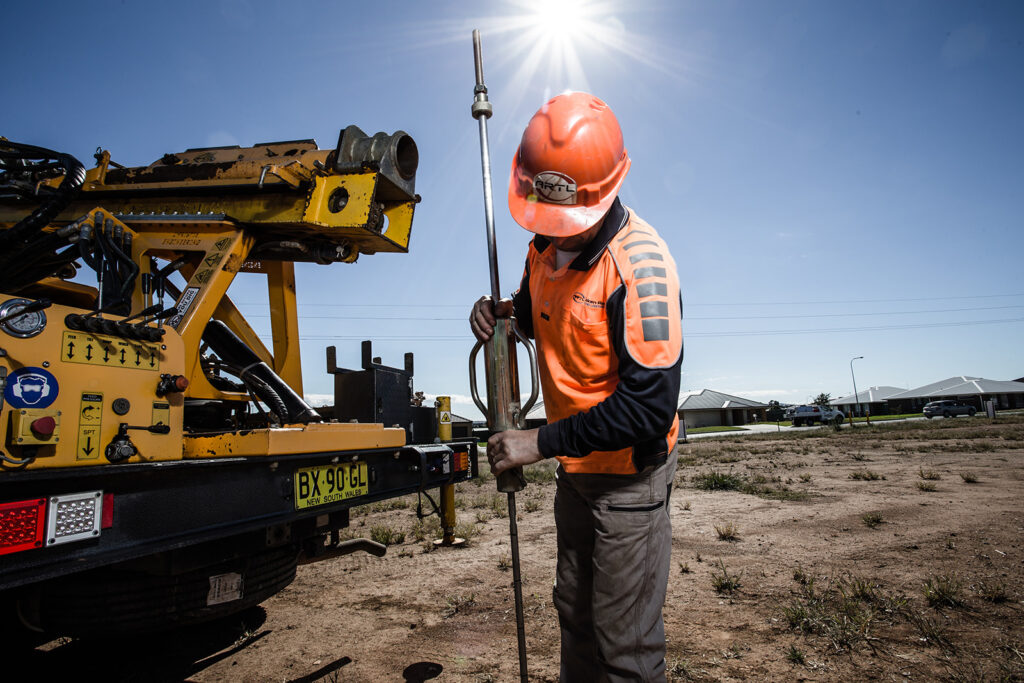
Our experienced Geotechnicians are trained to carry out a variety of field testing to cover your construction site requirements.
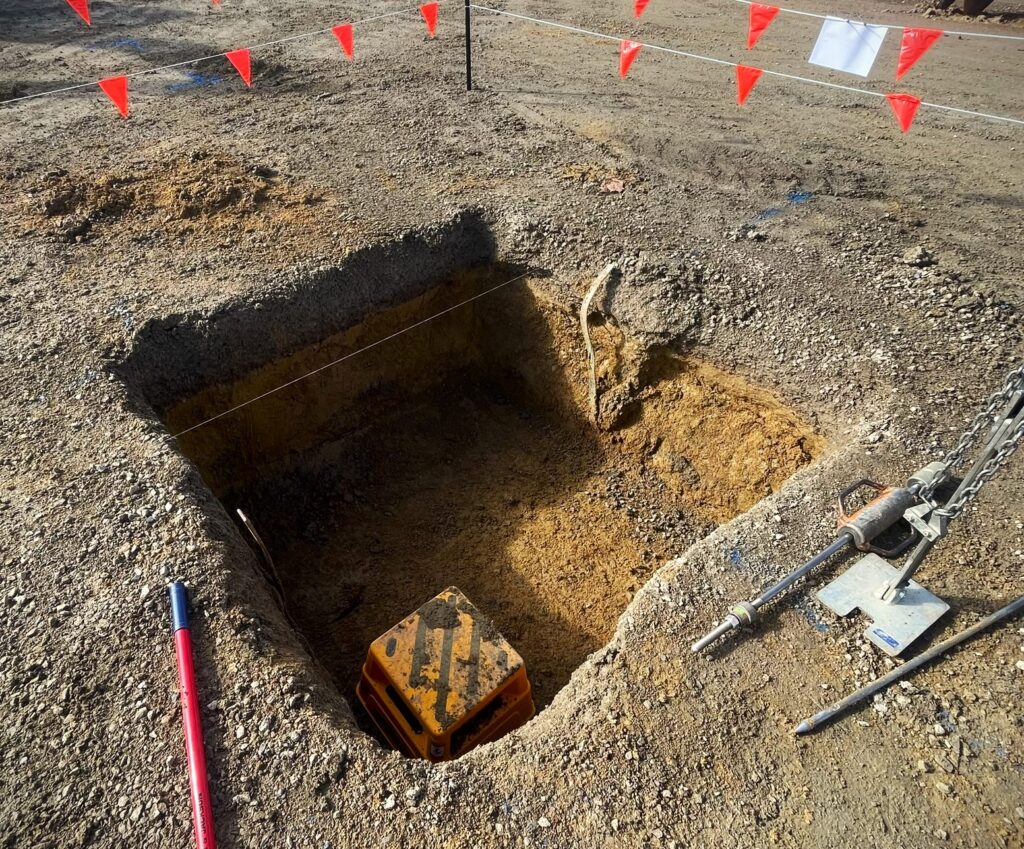
Bearing Capacity Assessments (BCA) are undertaken to ensure the soil foundation is able to support the proposed loading, whether it is for a Residential Dwelling, or for a 300 tonne Piling Rig Platform. The ultimate and allowable bearing capacity of soils is a complex concept which requires expert knowledge of soil mechanics, taking into account the particle size distribution, cohesion, density, moisture content, and depth of the underlying soils.
Coarse grained soils (sand and gravel blends) are best assessed using Plate Load Testing, and fine grained soils (silts and clays) are best assessed using a Dynamic Cone Penetrometer (DCP).
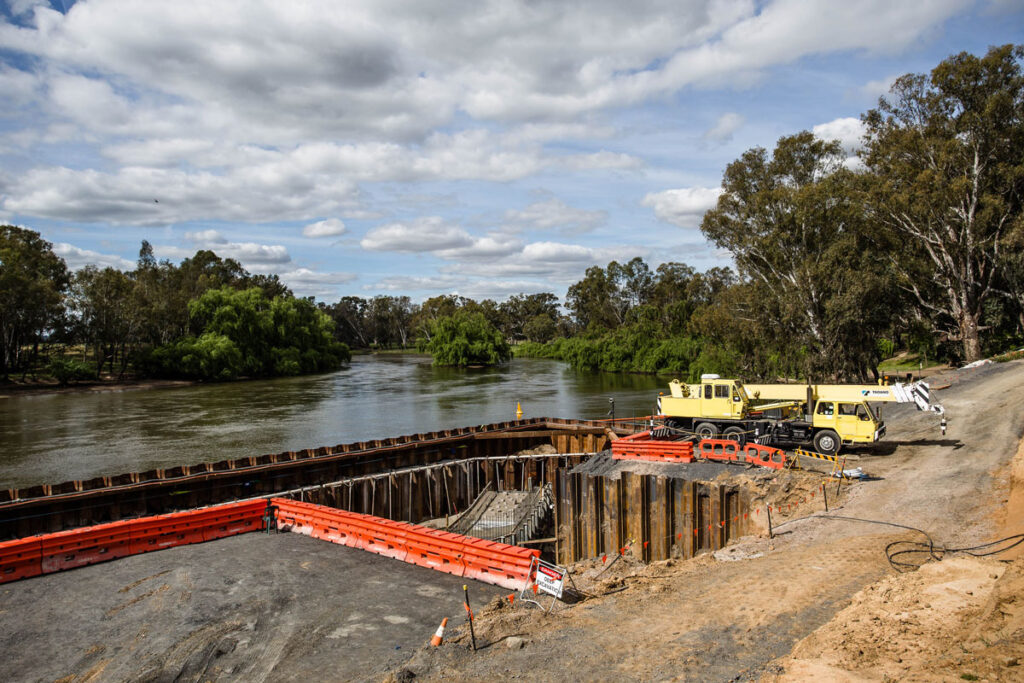
DCP testing is commonly undertaken at the base of pad and strip footing excavations and can even be used to assess the base of pier footings using casing (3.0m max test depth). Bearing Capacity Assessments are also regularly undertaken at the location of crane outriggers to ensure the soil can safely support the crane working loads.
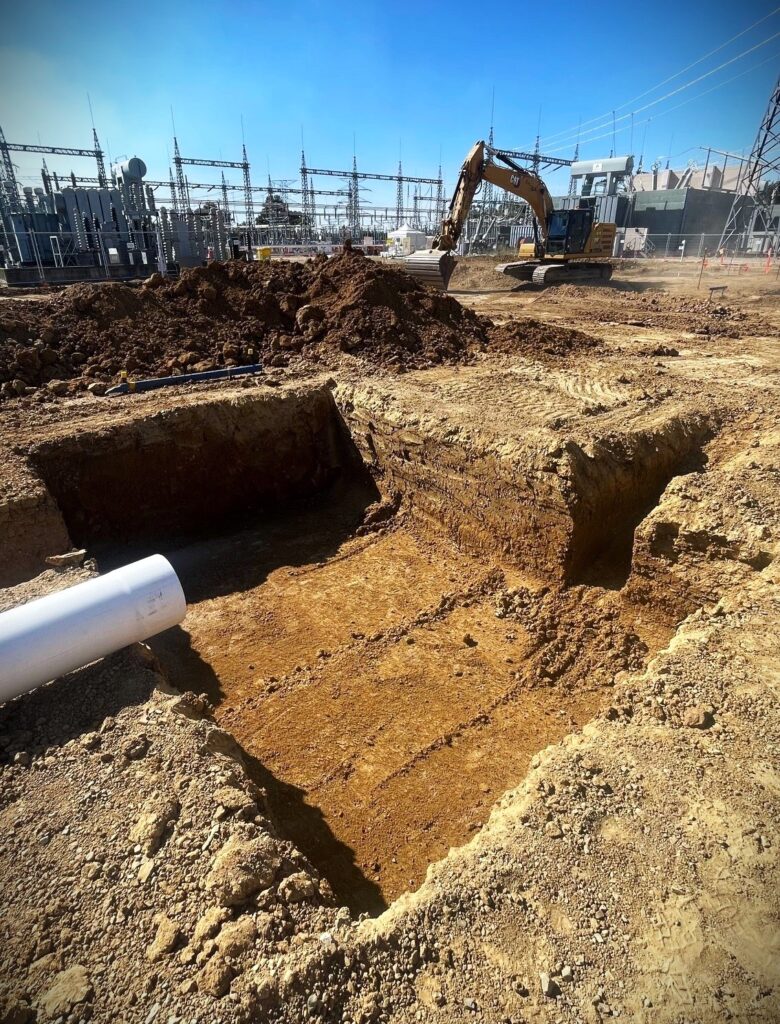
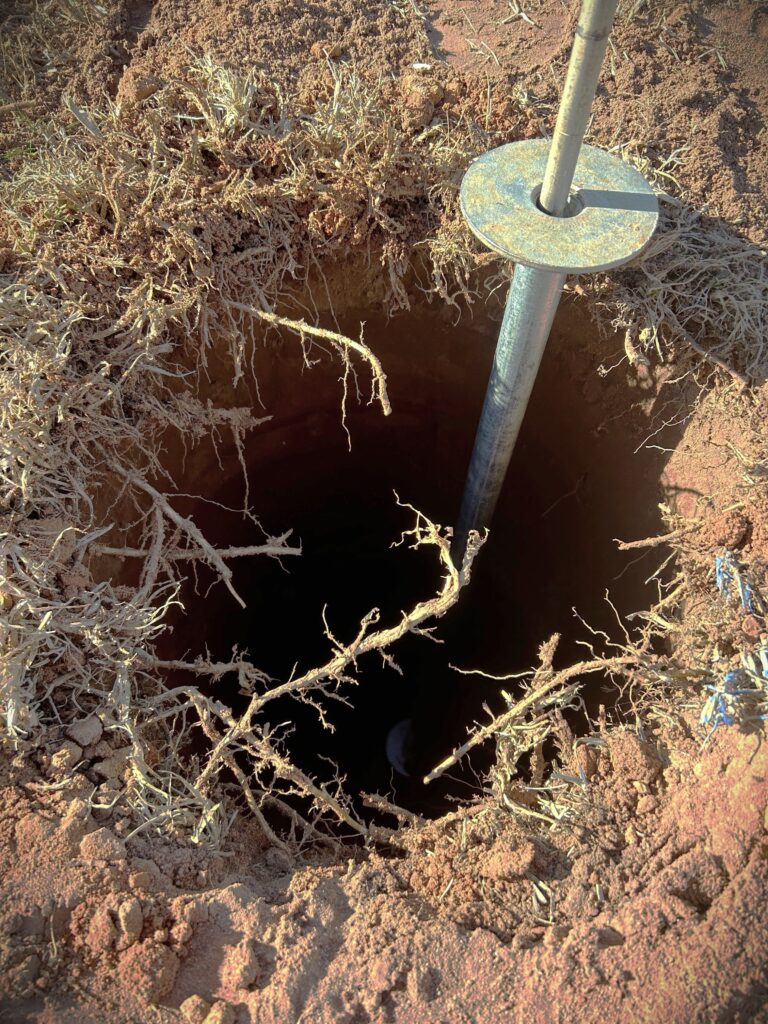
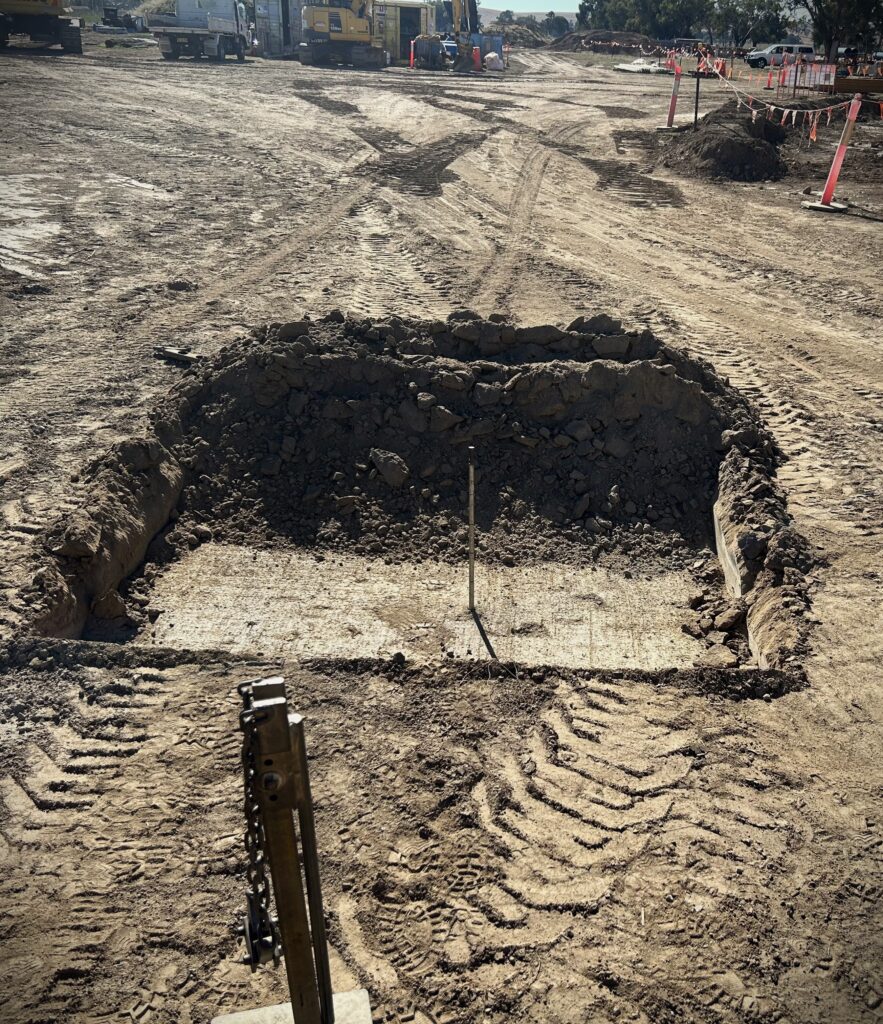
Soils can become contaminated from a multitude of sources, therefore it is incredibly difficult to determine if soil is ‘clean’ or ‘contaminated’ purely by a visual assessment. A site littered with chemical containers may be obvious, but a leaking underground fuel tank could be leaching Hydrocarbons into the soil for decades!
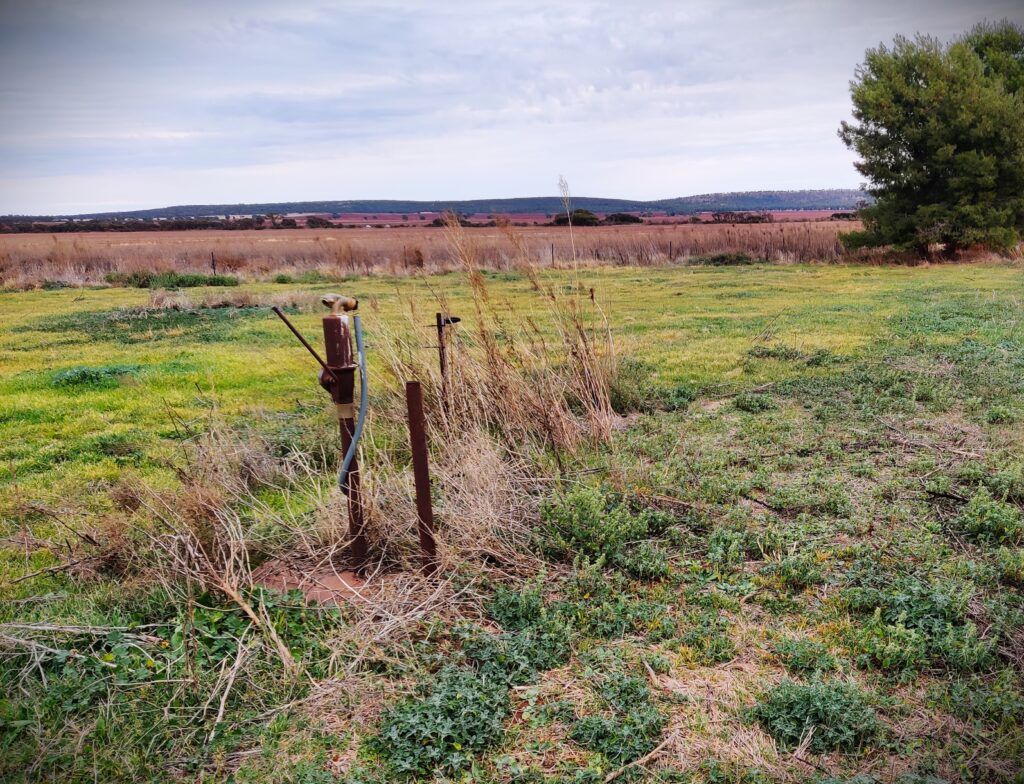
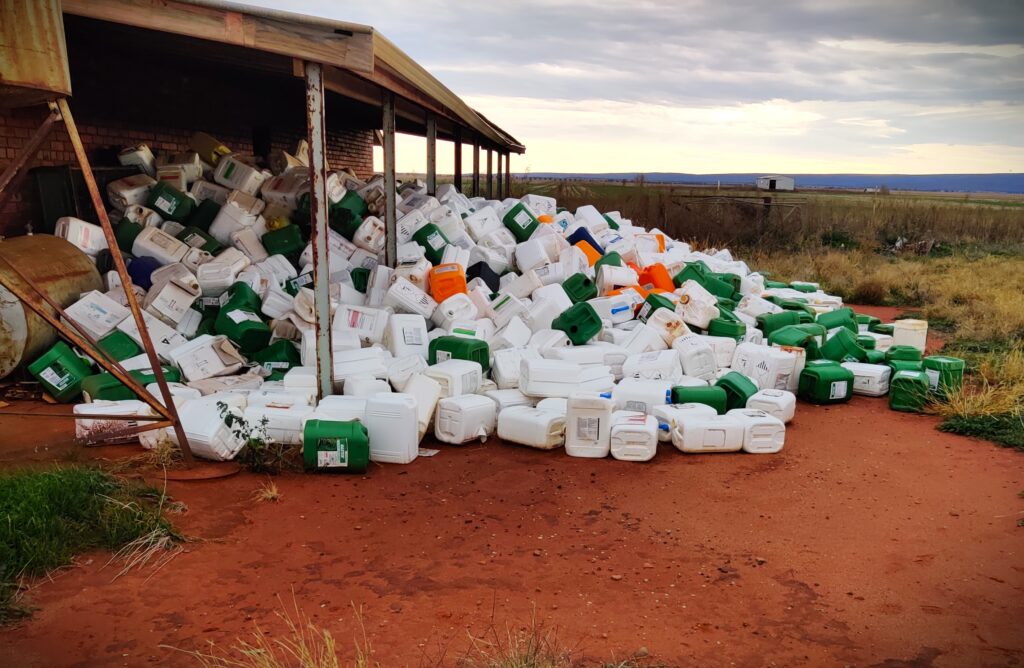
As a result, contaminant testing has become a widespread requirement, particularly where site-won material is to be re-used on another site. Based on the concentration of contaminants of concern, the soil can be ‘classified’ for re-use or disposal. ARTL can provide ‘Material Classification Reports’ on in-situ material before it is excavated, or on stockpiled material after excavation. ARTL work in accordance with the relevant authorities (NSW EPA and VIC EPA) and are ready to assist at short notice.
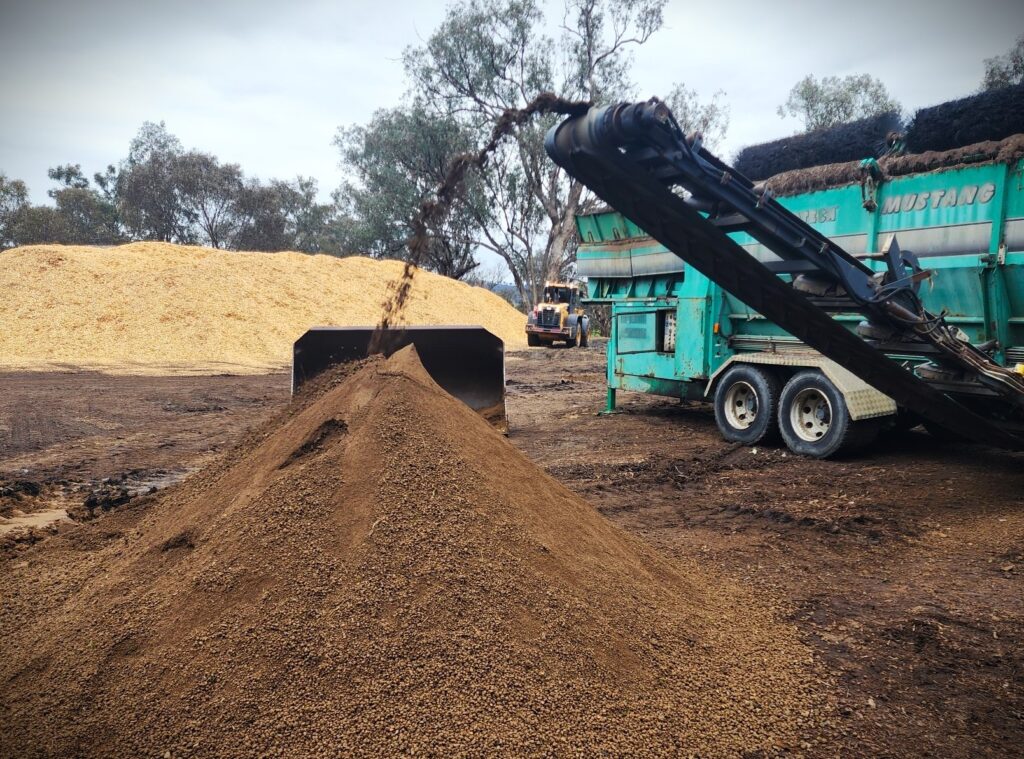
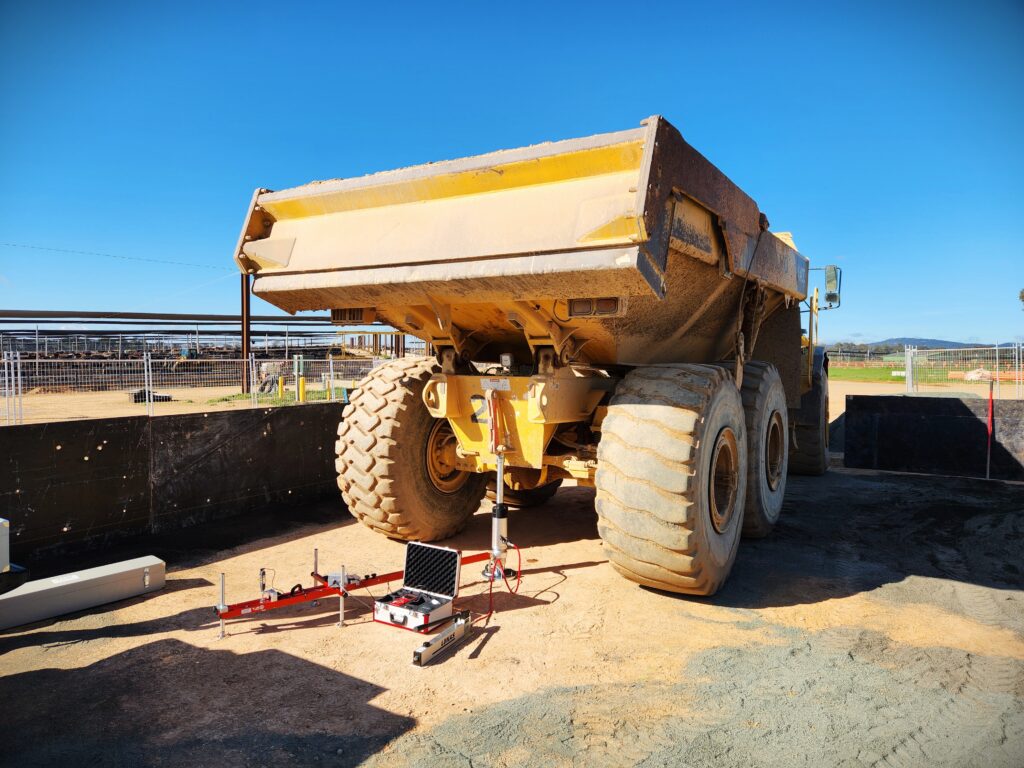
Plate Load Testing uses the weight of site machinery to exert a load on the soil by use of a hydraulic jack. The surface deflection (settlement) is monitored throughout the test duration (40 minutes) and graphed to provide settlement modulus values, which can then be used to provide a Bearing Capacity Assessment. Our Geotechnical Engineers utilise the German-built HMP Pro Digital Static Plate Load Tester to provide fast and precise results. To achieve the maximum load with the hydraulic jack, a minimum 5 tonne axle weight is required.
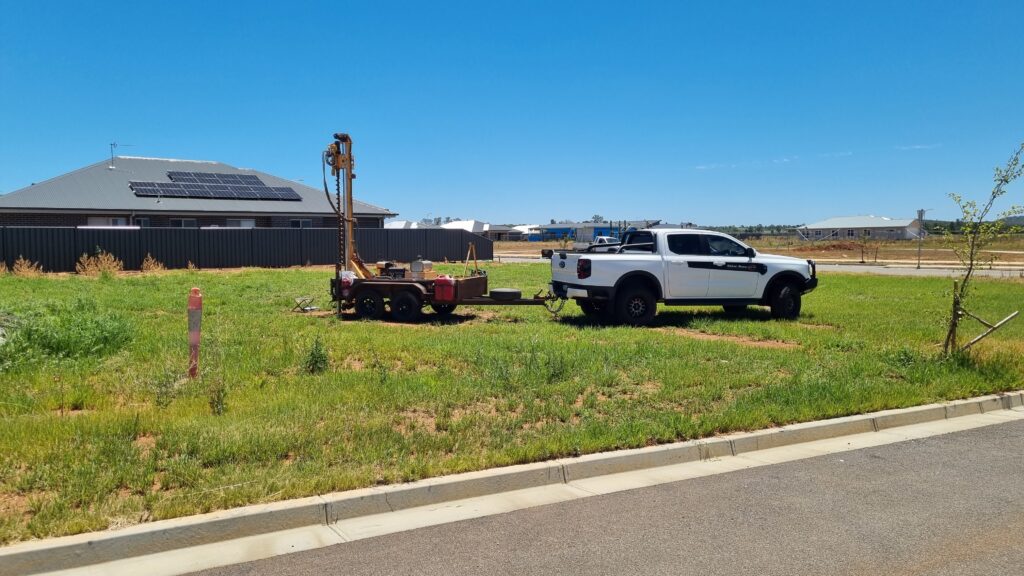
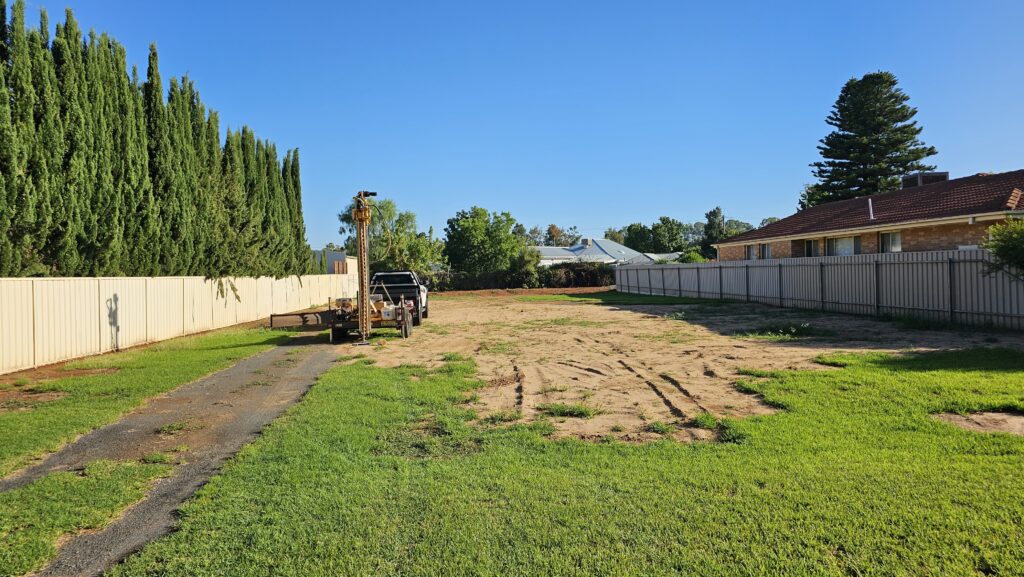
The classification of a building site is one of the most important steps for owners and builders looking to construct their new home. The classification of a site is dependent on a multitude of factors, therefore it is crucial to have this undertaken by a suitably qualified person. Our qualified Geotechnical Engineers at Aitken Rowe Testing Laboratories Pty Ltd have been providing detailed Site Classification reports in accordance with AS 2870 in NSW, ACT and VIC for over 25 years.
ARTL are also leading providers of “Effluent Disposal Assessments” (also referred to as a Land Capability Assessment), which are required when a dwelling does not have access to sewer mains. The application of effluent to land requires careful consideration and expertise, with most new homes under closer scrutiny than in days past. ARTL consults with a number of local councils to ensure compliance during the design phase. Using our state of the art testing and water modelling, our Geotechnical Engineers provide a site specific report with detailed recommendations to ensure a cost-efficient and long-lasting system whilst minimising the environmental footprint.
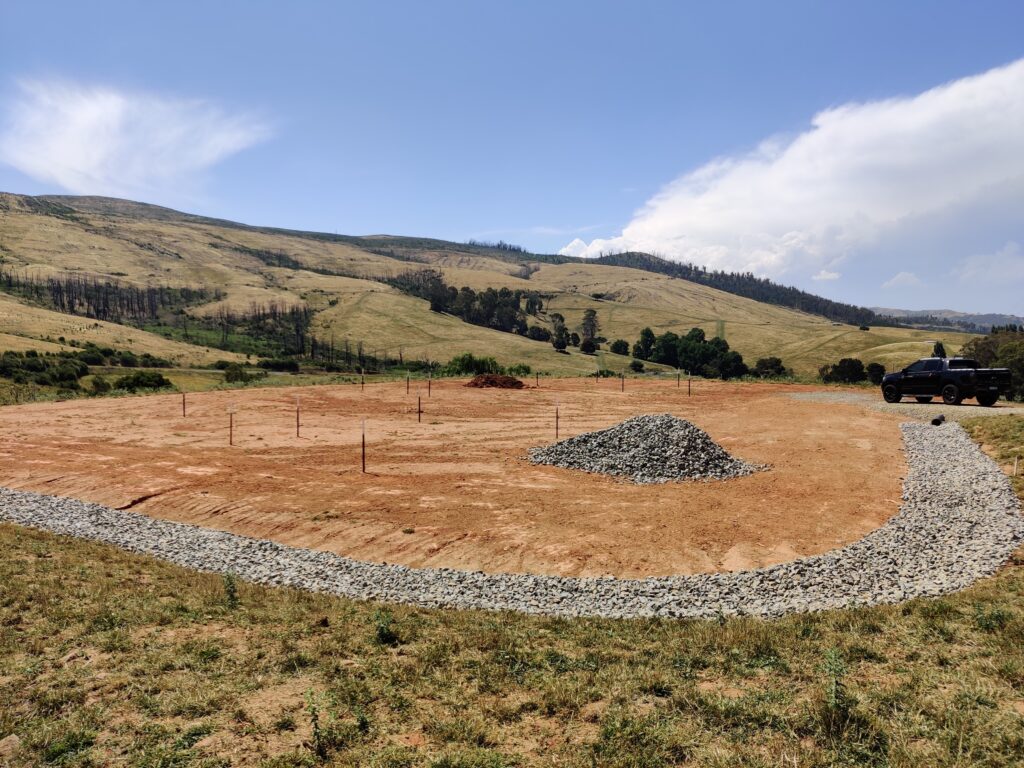
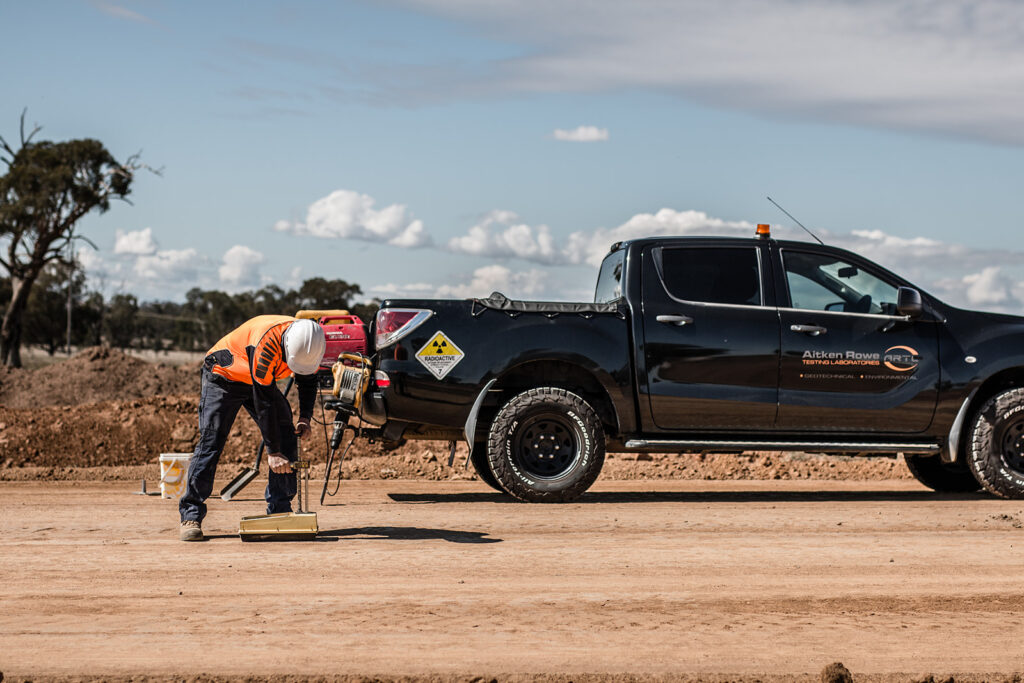
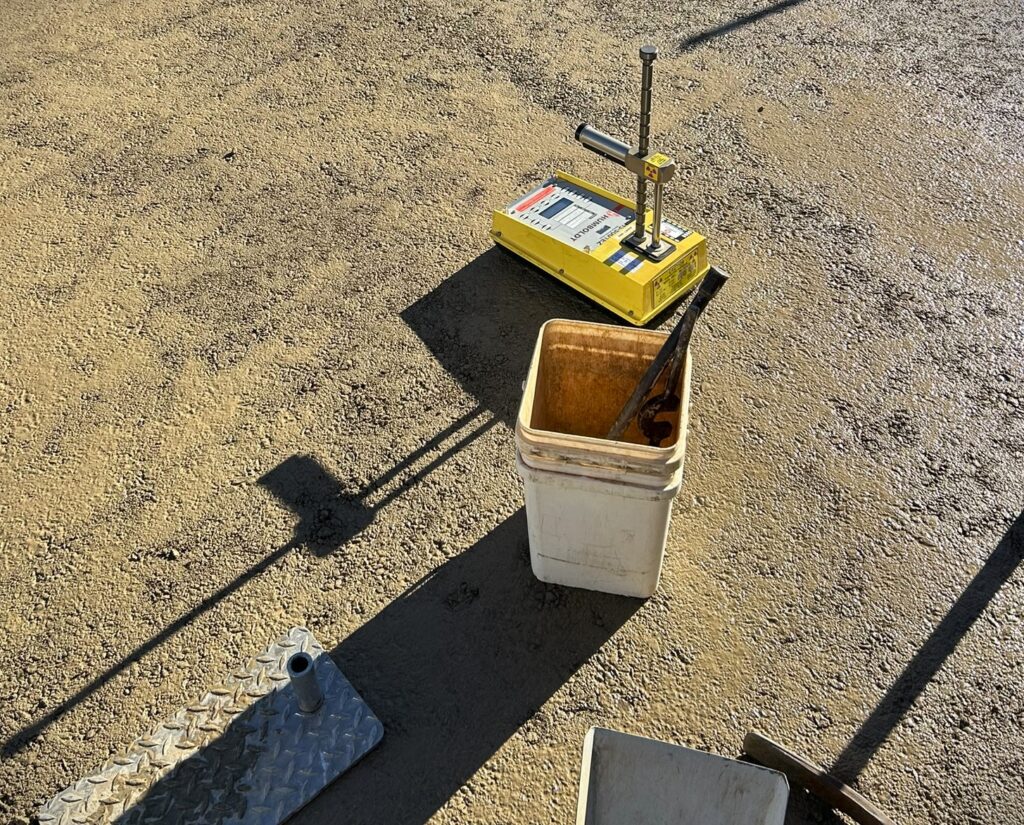
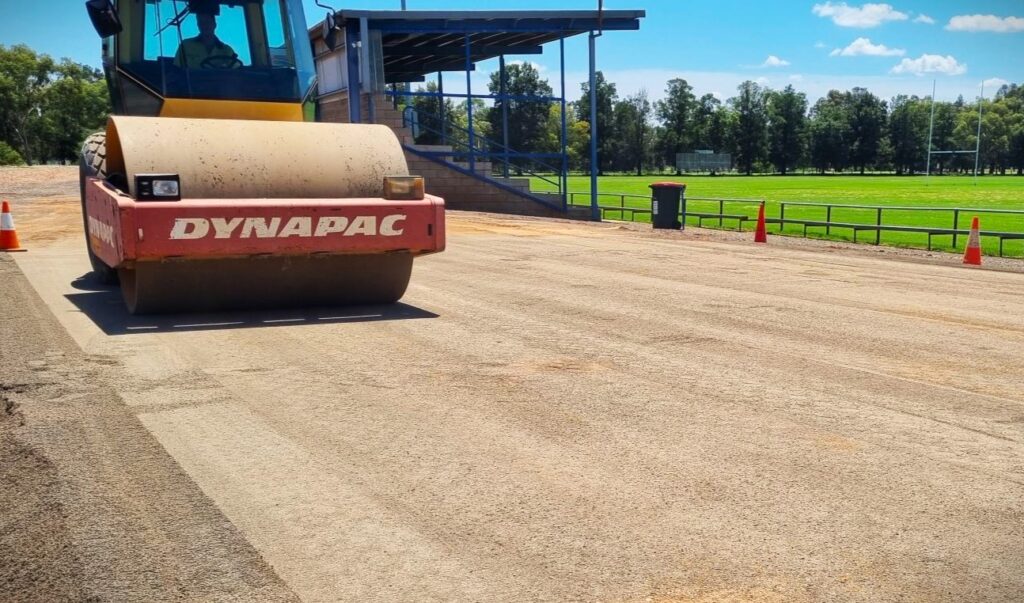
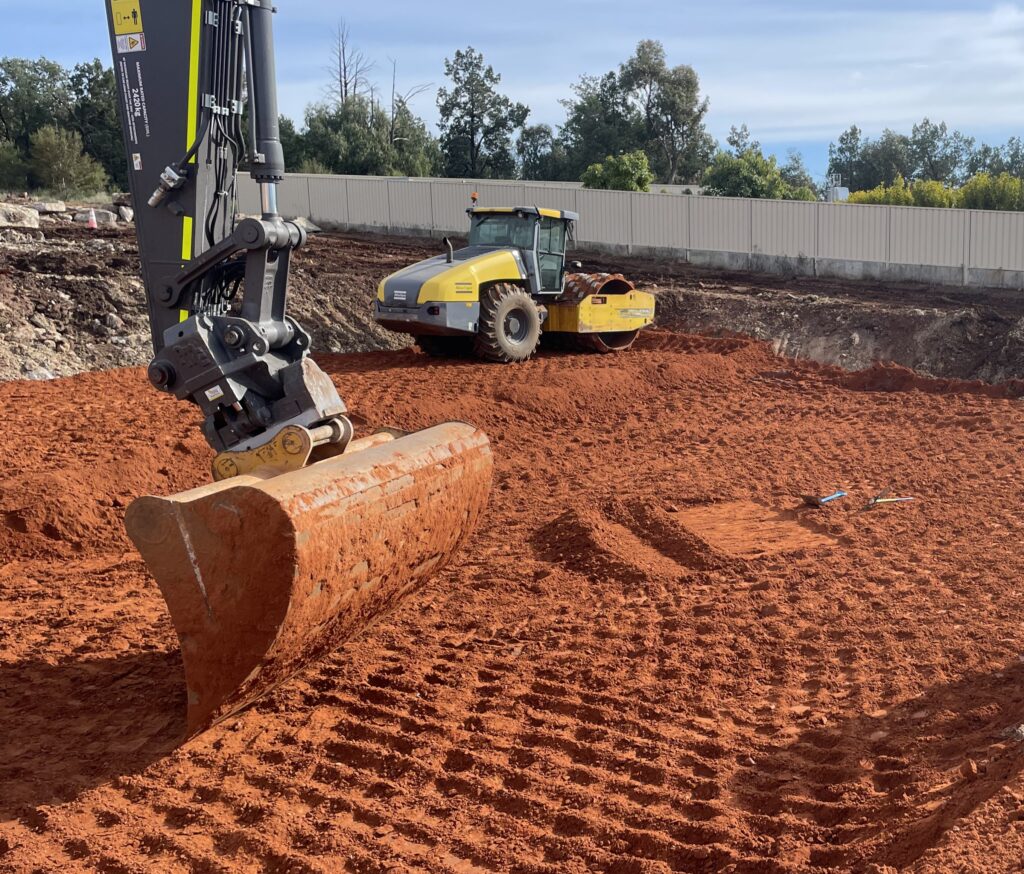
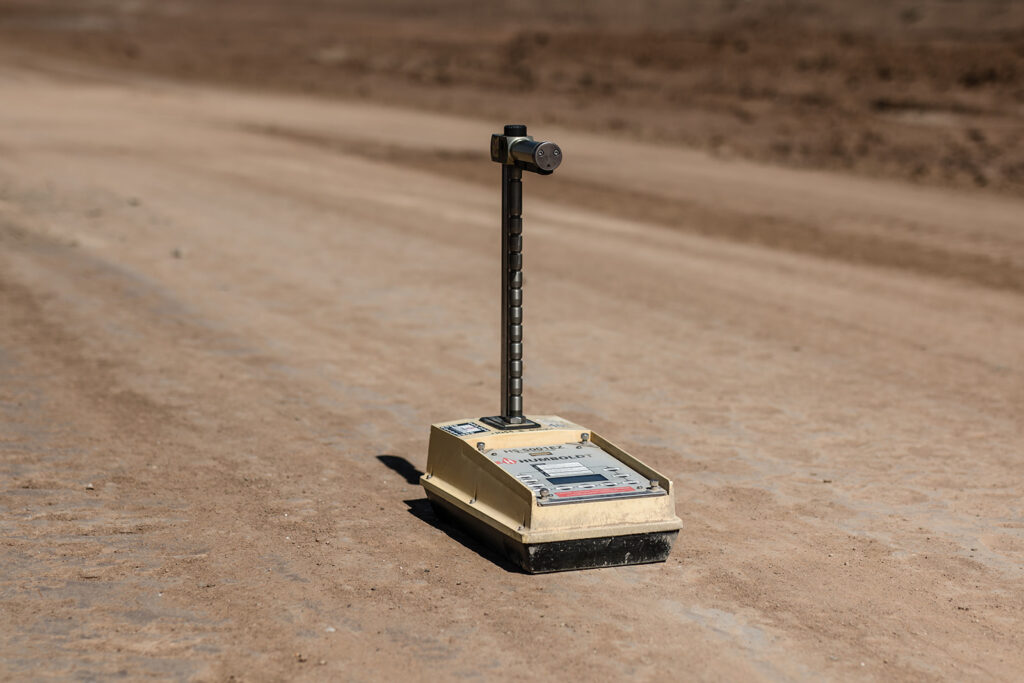
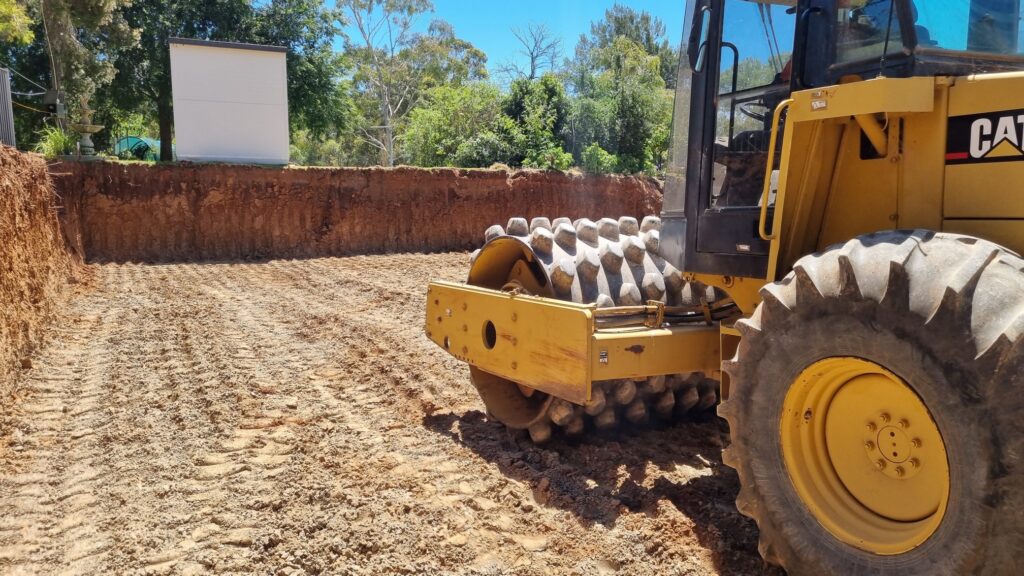
Aitken Rowe Testing Laboratories Pty Ltd is the leading provider of testing and certification of fill placement in Southern NSW. Using state of the art nuclear density gauges, ARTL work hand-in-hand with developers and contractors to ensure the best possible outcome for the site. The core components of Level 1 Fill Certification are listed below:
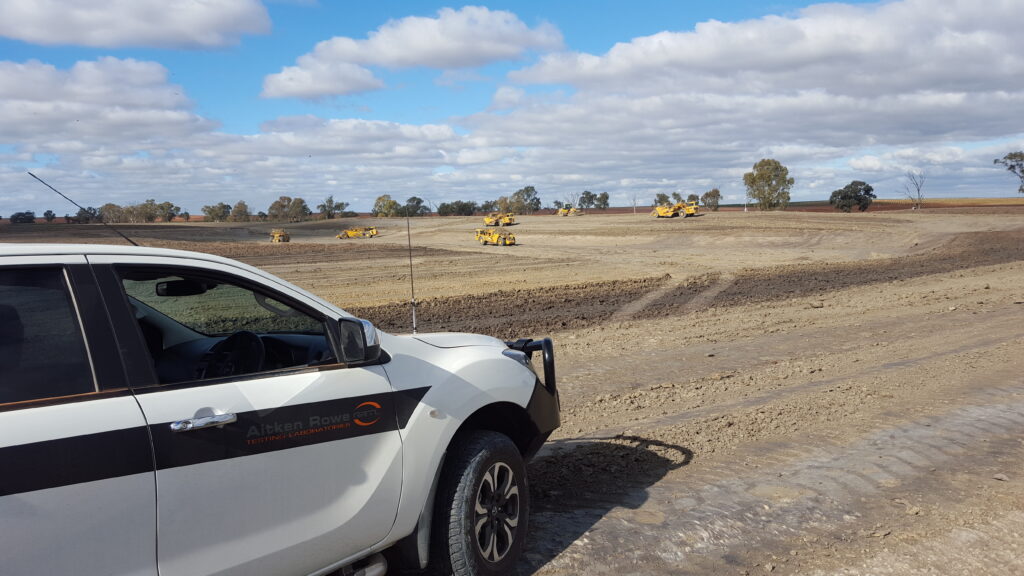
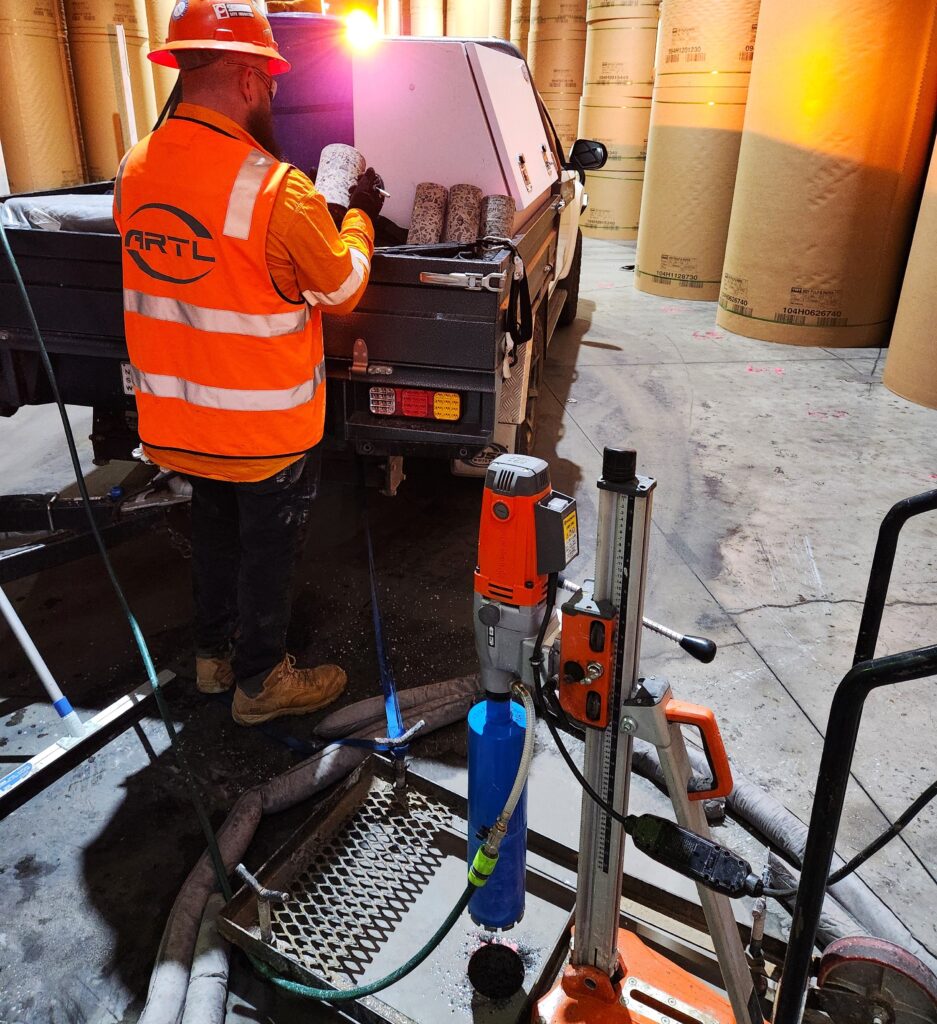
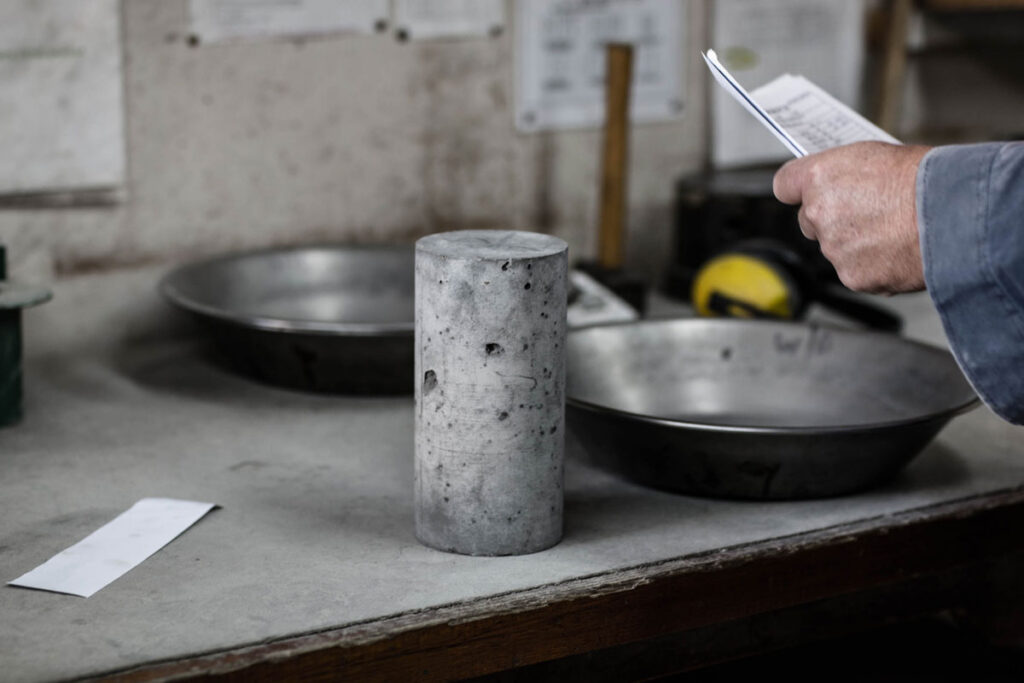
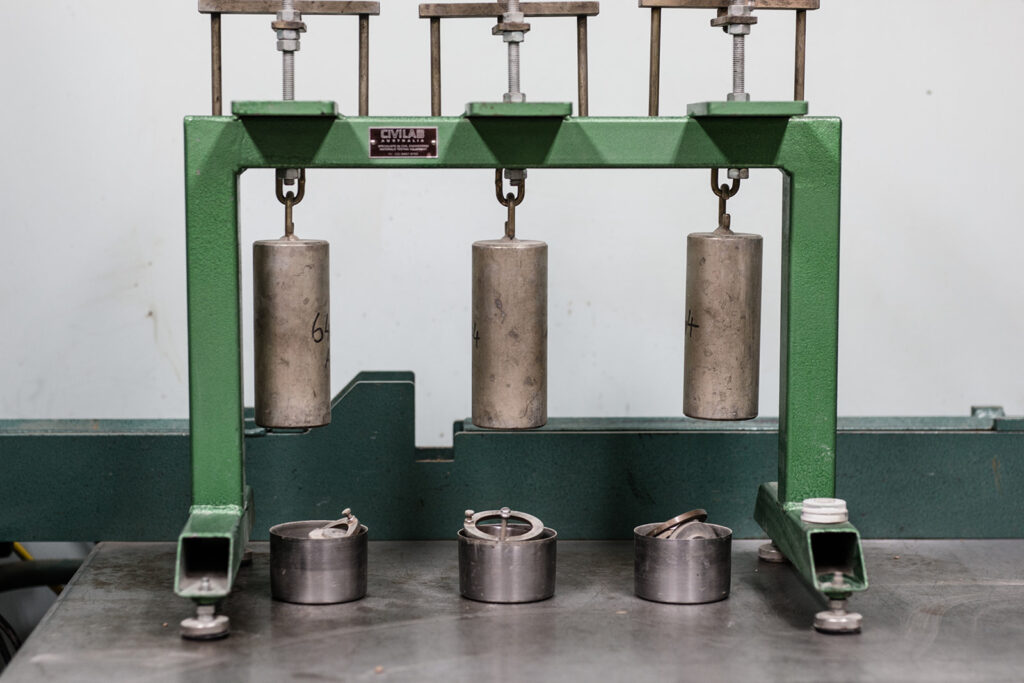
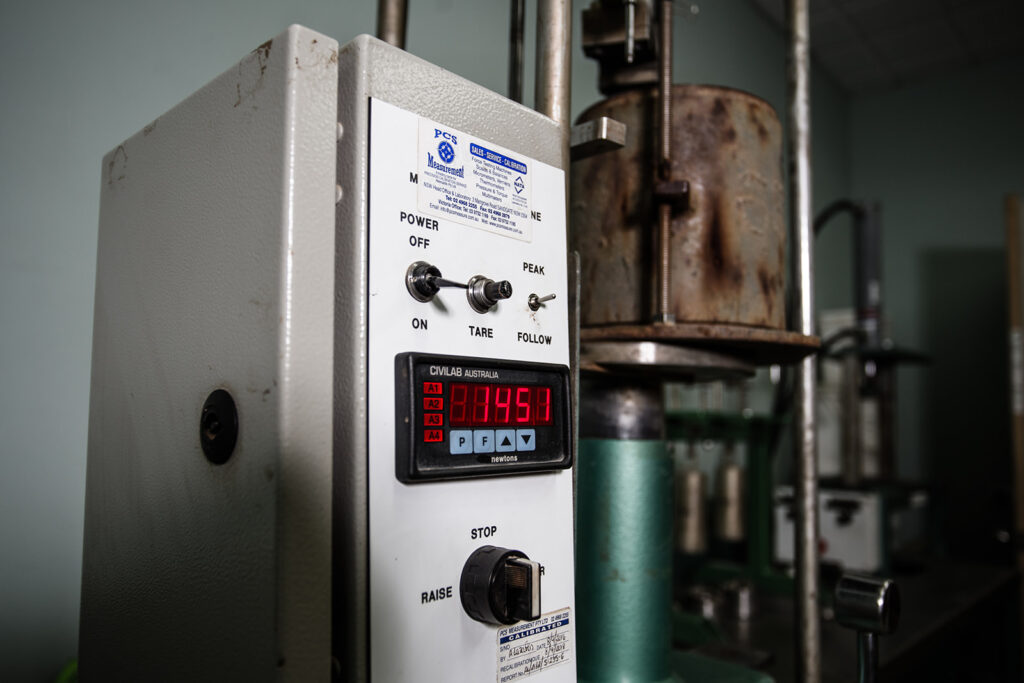
ARTL is Nata Accredited in over 130 individual test methods for construction materials. Samples can either be delivered to our laboratories for analysis, or our experienced Geotechnicians can attend site and undertake sampling in accordance with the appropriate standards (AS 1289.1.1 / AS 1141.3.1 / T100).
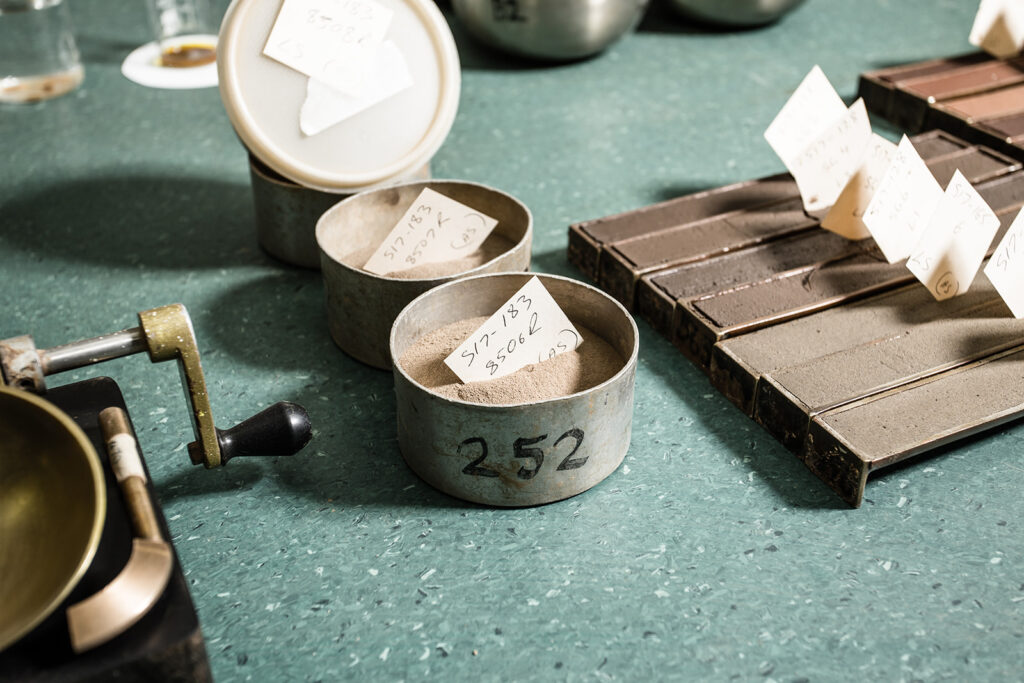
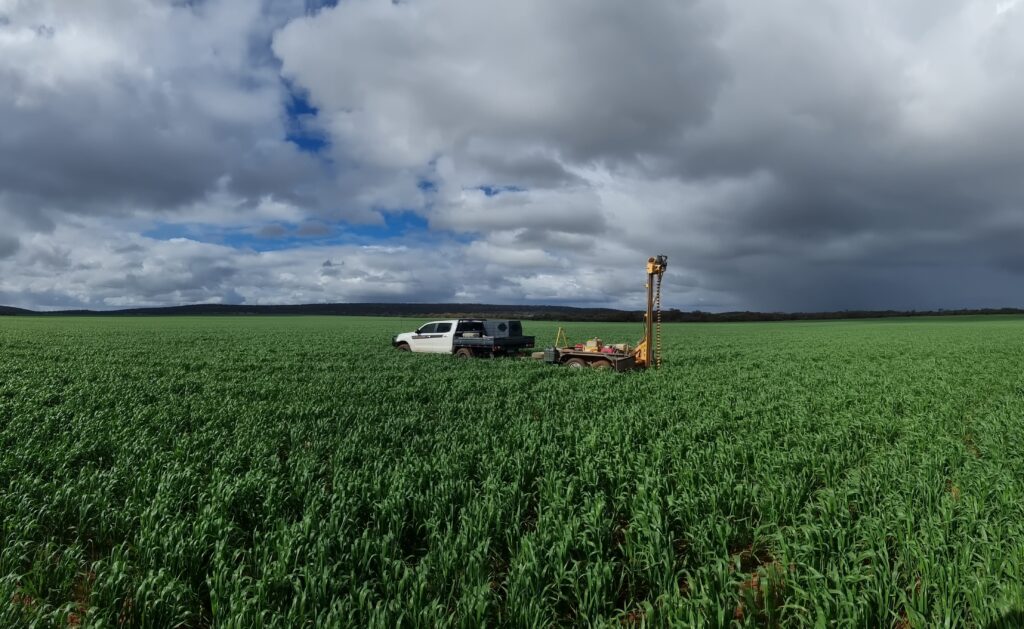
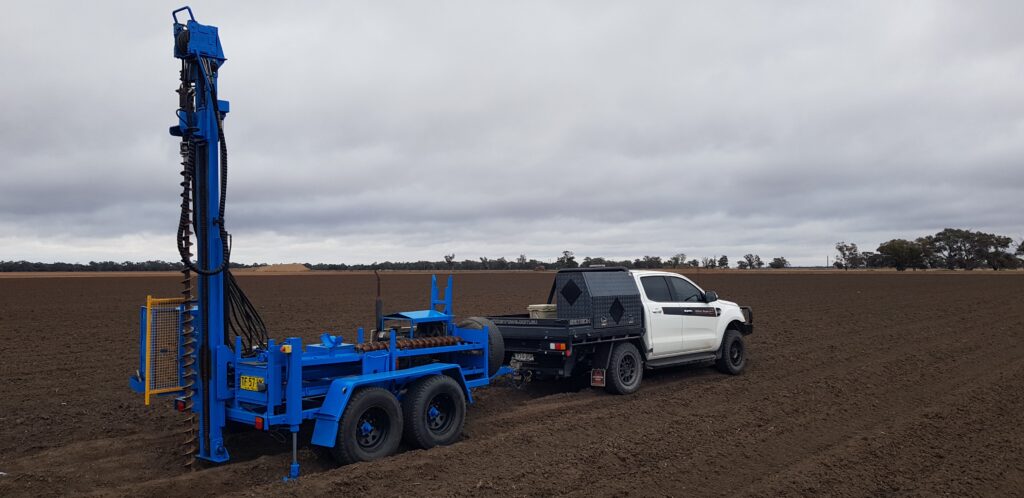
In addition to our NATA Accredited Laboratories, ARTL also employs a number of in-house qualified Geotechnical Engineers. Our Engineers provide high quality Geotechnical Investigation reports for a number of projects and fields, including the following:
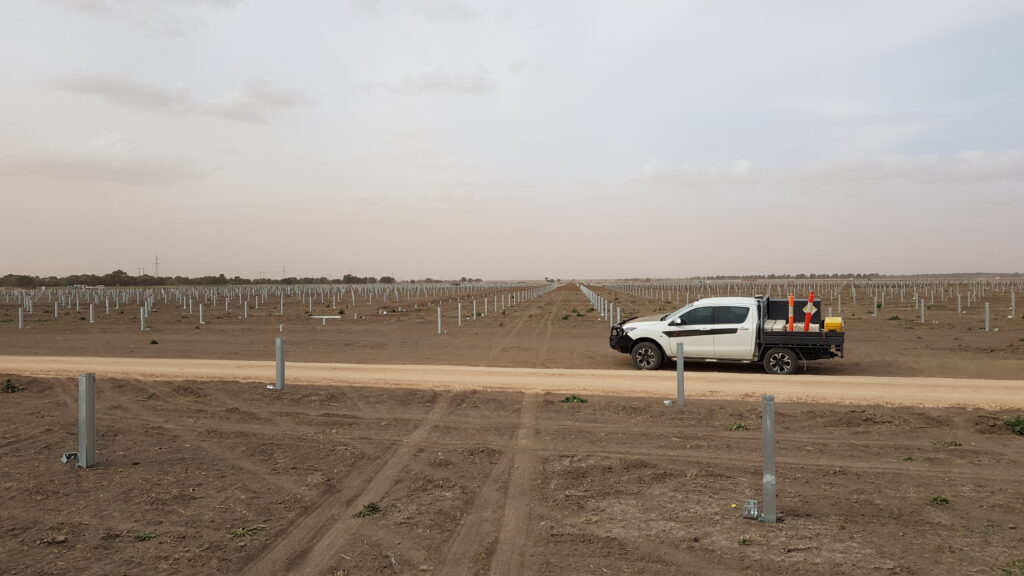
Our Geotechnical Engineers also offer specialised testing and advice including the following: