AS 3798 - certification where it matters
Level 1 Fill Certification
Aitken Rowe certifies engineered fill from its NATA-accredited laboratories at Wagga Wagga, Griffith and Albury/Wodonga. Supervision, testing and sign-off so the fill under your structure is documented as it goes in.
Why certification matters
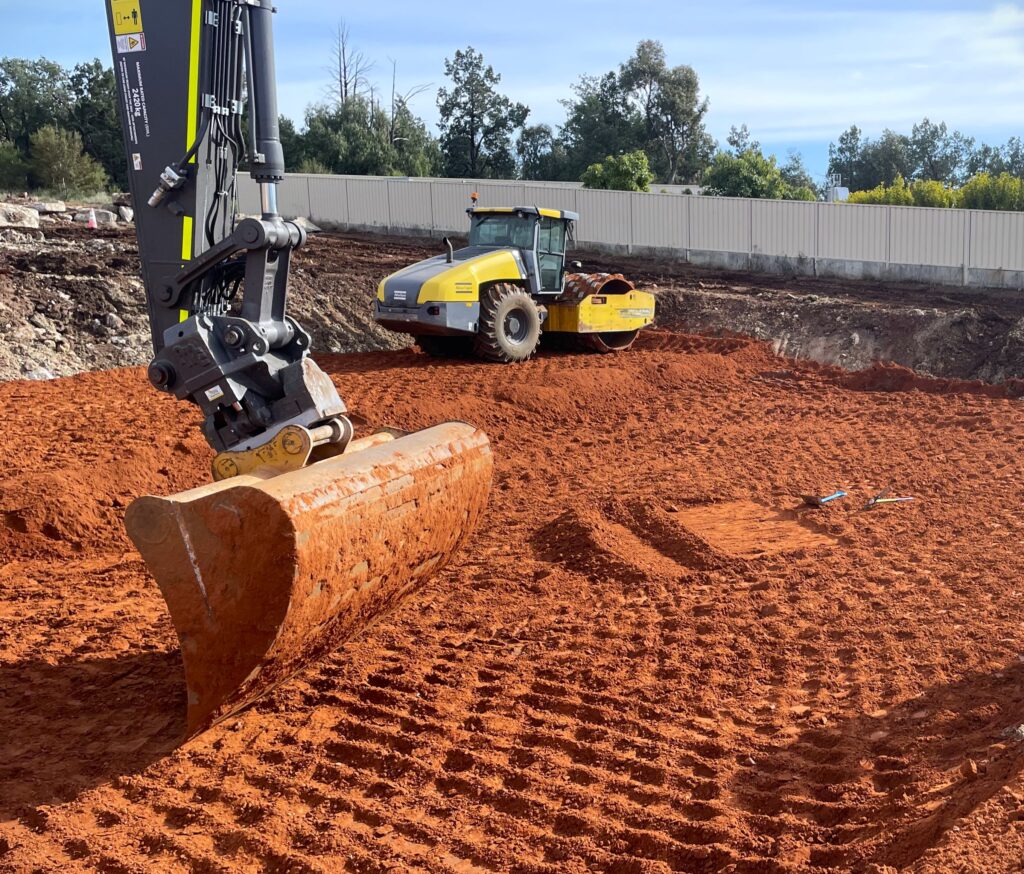
In order to properly support structures and minimise the risks of differential settlement, it is crucial that structural fill is placed in a “controlled” manner, with each layer tested for compaction. Equally important, is the assurance that all “unsuitable” materials, such as silt, have been removed before the first fill layer is placed. Our qualified geotechnicians have been supervising and testing the placement of Level 1 and Level 2 fill across NSW, ACT and Victoria, NATA accredited since 1992. Our in-house qualified geotechnical engineers issue Fill Certification Reports upon completion of the job, signing off on the suitability and longevity of the fill pad, giving you the confidence to build.
Projects we certify
Reported to AS 3798, detailing every step of the placement
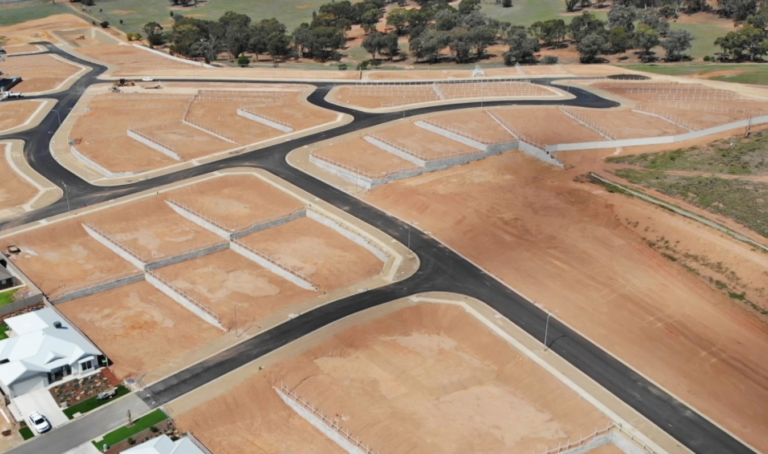
- Residential building pads
- Water storage dams
- Solar farms and renewable energy projects, including BESS
- Rail infrastructure
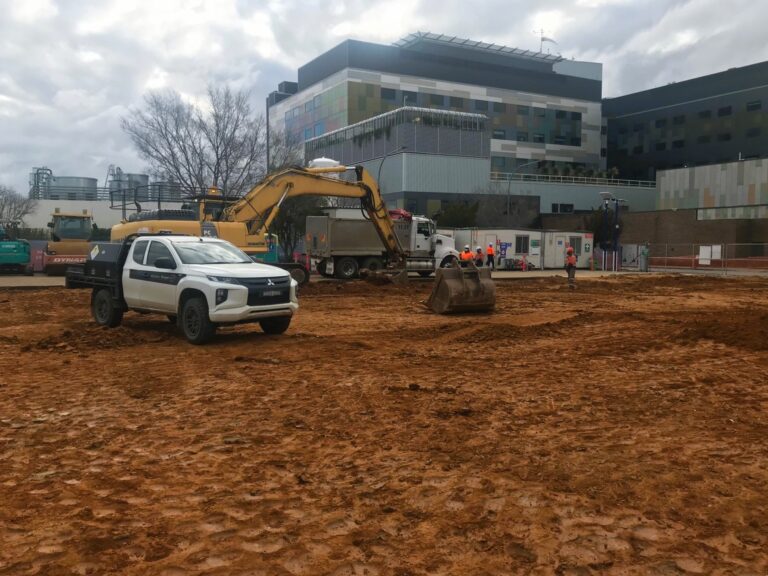
- Commercial, industrial and civil sites
- Soil and site improvement
How it works
- 01Initial inspectionEnsure all "unsuitable" materials are removed, and Proof Roll the subgrade.
- 02Test the fillSupervise and test each layer for compaction.
- 03Final proof rollFinal inspection to ensure the fill is fit for purpose.
- 04Engineer's reportSigned AS 3798 fill certification report, outlining full compliance.
Common questions
When do I need Level 1 certification?
Level 1 certification is necessary when the fill is of special importance or used to support a structural load. If your spec shows footings founding on fill, it needs Level 1 certification. Civil projects also require fill to be tested, but it is often performed under Level 2 conditions.
Whats the difference between Level 1 and Level 2?
Level 1 involves our full supervision and support, where we manage the project to ensure every step of the process complies with the specification. Once the fill placement is completed, our qualified geotechnical engineers issue a Fill Certification Report outlining full compliance and suitability for its purpose, with a signed-off bearing capacity for future structures. Level 2 testing puts the responsibility back onto the contractor, and we only test when called upon. You will still receive test reports showing the relative compaction and passing proof rolls, but no final sign-off or bearing capacity can be provided.
How much does a fill certification cost?
It depends on the depth of fill, distance from base lab, and whether it is a Level 1 or Level 2 project. A small residential building pad is a very different scope from a new substation, so each is quoted individually. Send the plans and we will price it properly.
Proven on site
Where we certify
All projects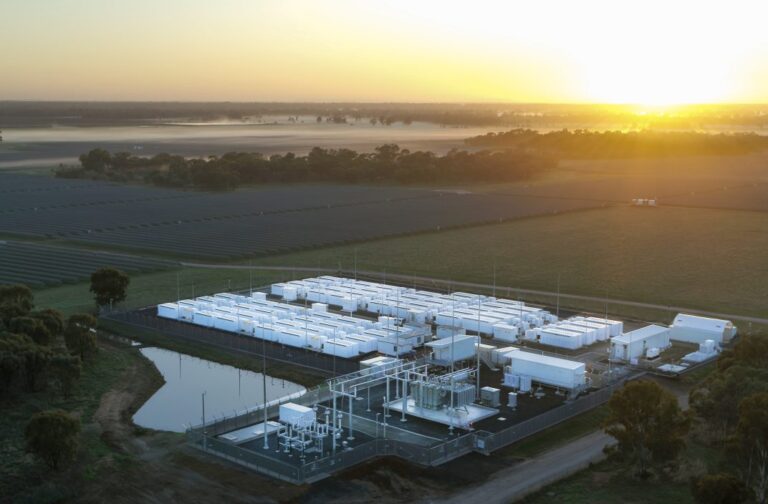
Discuss your project
Speak to one of our geotechnical engineers — no call centre, no sales script.
Contact details